
Plasma species surface kinetics during functionalization of common polyolefins and superhydrophilic surface finish (J2-60037)
Project Leader: Dr Dane Lojen (Jozef Stefan Institute)
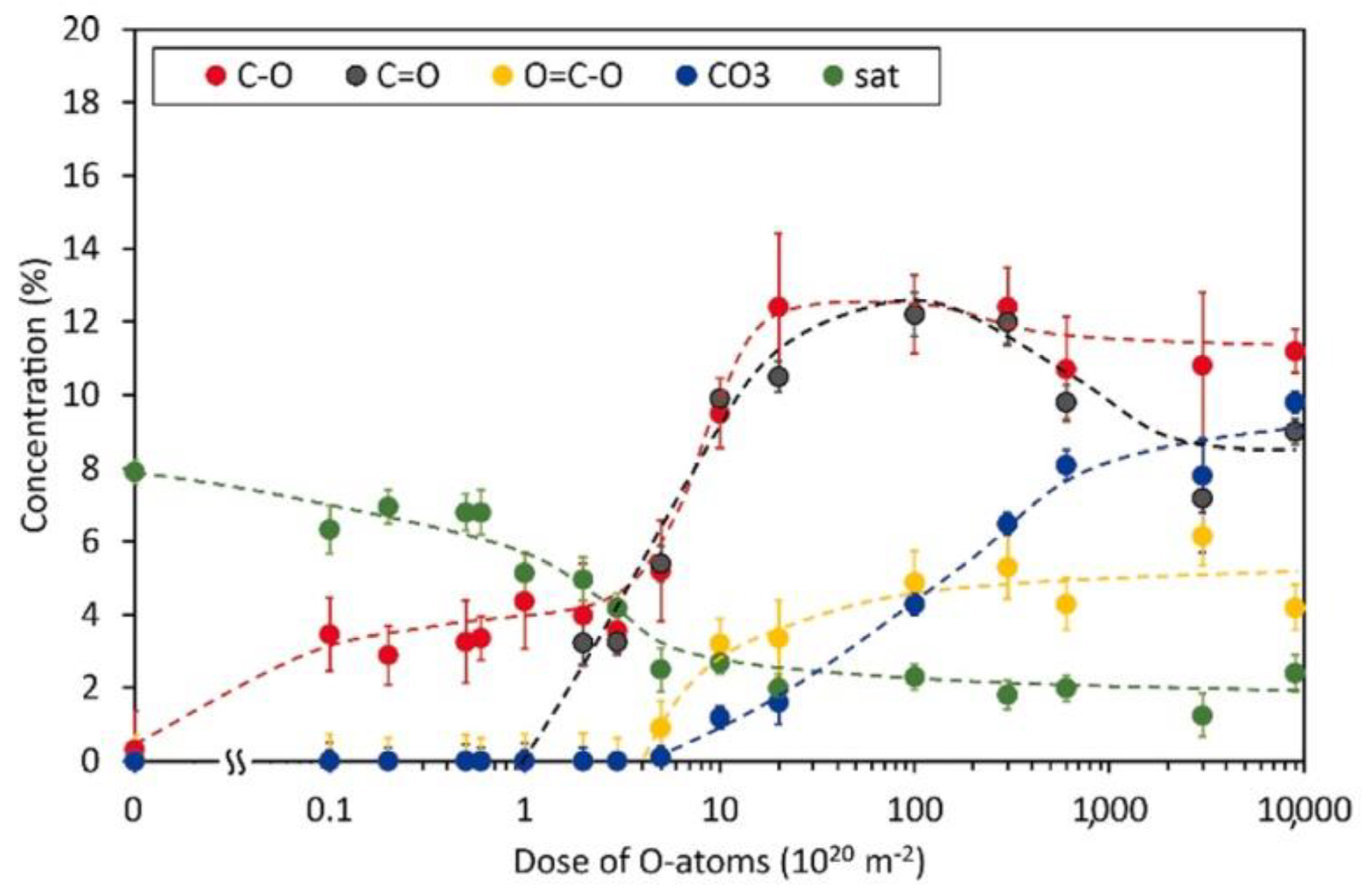
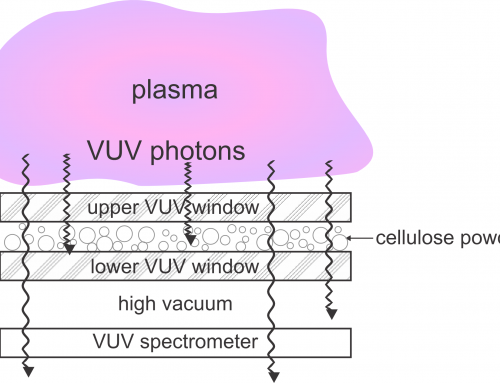
Within the proposed project, the applicant will continue his ambitious research on the kinetics of polymer functionalization using low-pressure, thermodynamically non-equilibrium gaseous plasmas, focusing on polyethylene (PE) and polypropylene (PP). PE and PP are the two most used polymers, but are known for their poor wettability. Despite the abundance of scientific papers on polymer functionalization, the topic remains poorly researched, as the vast majority of authors do not report plasma parameters at all, let alone investigate functionalization kinetics as a function of plasma radical flux or dose. The development of different functional groups as a function of radical dose is the main goal of this project. The applicant will adapt one of the available plasma reactors to precisely dose radicals into a processing chamber for the treatment of PE and PP. The flux of plasma radicals on the polymer surface samples, as well as the development of different functional groups as a function of the radical dose, will be accurately measured. The results of systematic measurements will be curves of surface concentrations of various functional groups as a function of radical dose, obtained at different radical fluxes. The applicant will measure the wettability of both polyolefins using a high-end goniometer and correlate the surface concentration of different functional groups with the surface energy of functionalized polyolefins. The applicant will investigate a method to achieve superhydrophilicity of both polymers, using a method that has proven to be excellent for the hydrophilization of Teflon, where first, the polymer surface is treated with hydrogen plasma (an extremely strong source of vacuum ultraviolet (VUV) radiation), followed by the treatment with a low dose of atomic oxygen from a distant source. As part of the project, the applicant will investigate the dose range leading to superhydrophilicity in both polyolefins using this two-step processing. An important part of the project will be the determination of the kinetics of functionalization of PP and PE with amino groups using a two-step process: the sample is first treated with hydrogen plasma (VUV exposure), followed by treatment with NH2 radicals. The literature in this research niche is scarce, but the demand is high due to biomedical applications of polymers functionalized with the amino groups.