
Plasma-based approaches to purify industrial process cooling water (L2-70119)
Project Leader: Assoc. Prof. Dr Rok Zaplotnik (Jozef Stefan Institute)
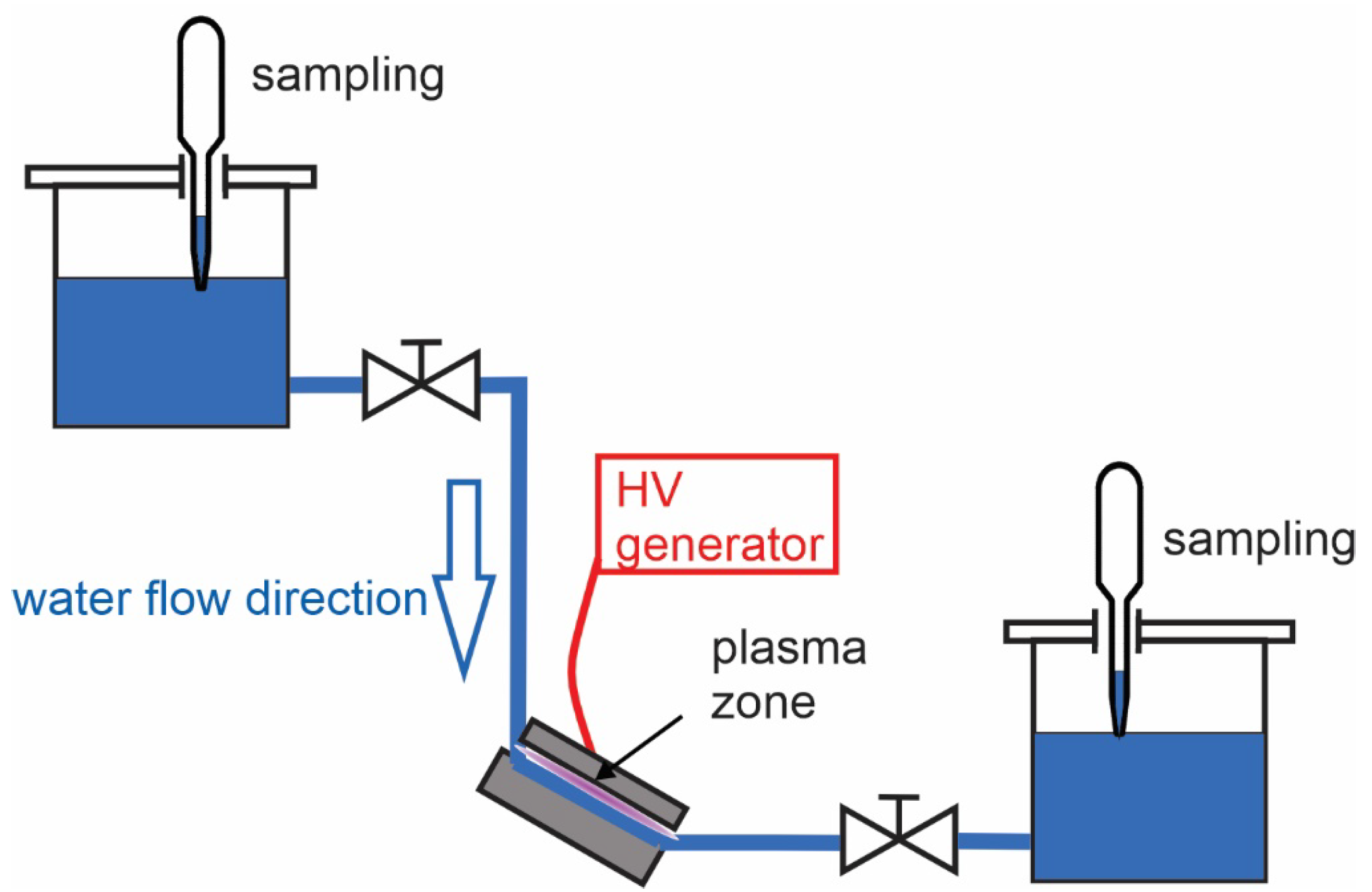
Water scarcity and industrial water use pose significant environmental challenges, with Europe consuming 45% of its freshwater for industrial purposes. Cooling systems, a major water-intensive component, require frequent water replacement due to microbial contamination. Traditional disinfection relies on chemical biocides, which, while effective, pose issues such as high costs, harmful byproducts, environmental risks, and the emergence of resistant microorganisms. To address these concerns, plasma-based disinfection technologies offer a promising alternative.
Plasma, an ionized gas rich in reactive species, generates reactive oxygen and nitrogen species (RONS) and plasma-activated water (PAW), which exhibit strong antimicrobial properties. These species disrupt microbial cells, reduce biofilm formation, and prevent replication without harmful residues or risks of resistance. Plasma systems are environmentally friendly, cost-effective, and operate using only electricity and air.
This research focuses on optimizing plasma parameters (e.g., power, discharge type) and reactive species for industrial cooling water disinfection. A case study at Melamin d.d., a Slovenian company, highlights the urgent need for sustainable solutions. Melamin’s system treats 2,400 m³ of water monthly, using biocides with environmental risks and costs exceeding €4,500. Plasma technologies, developed in this project, aim to reduce microbial loads, operational costs, and environmental impact.
Plasma disinfection provides an innovative, scalable solution to industrial water challenges, supporting sustainability and the green transition in water management.